HPLC Chromatography
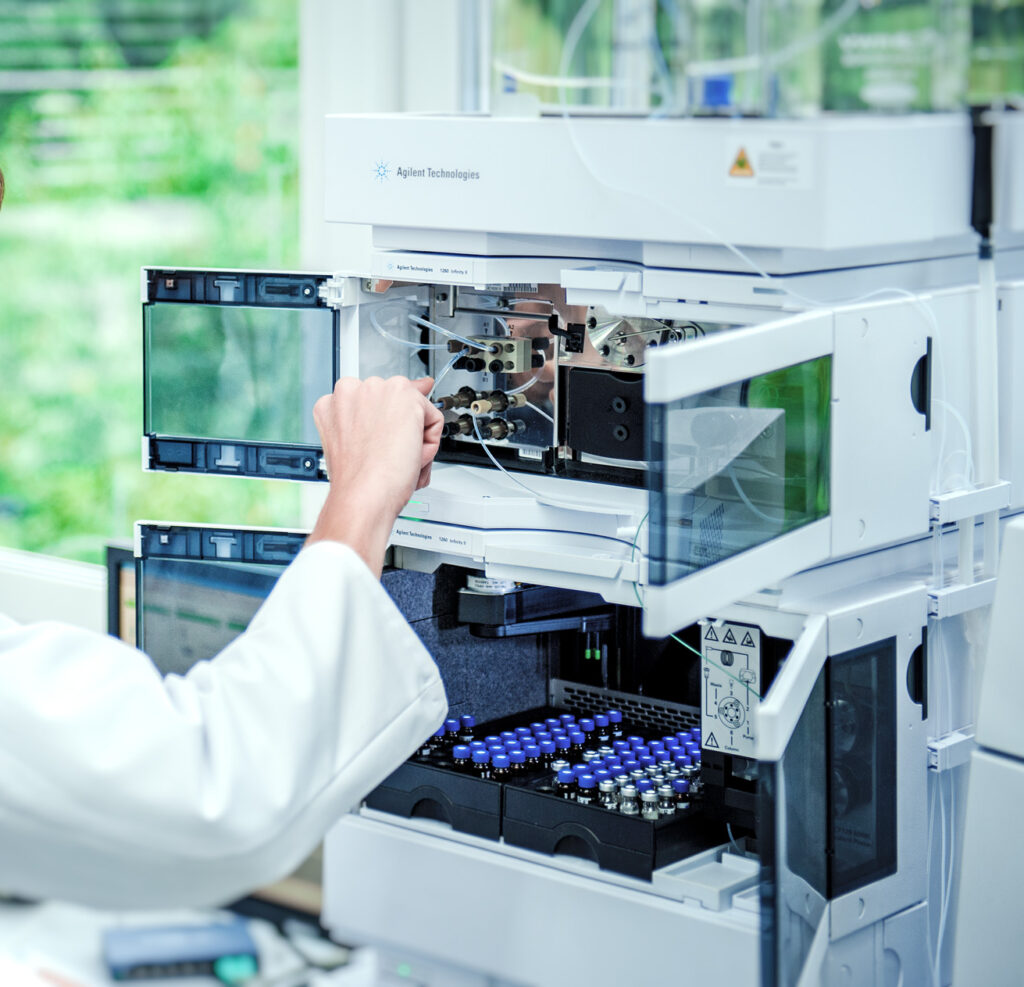
High Performance Liquid Chromatography (HPLC).
High Performance Liquid Chromatography (HPLC) is one of the most powerful and widely used analytical techniques in modern laboratories. It is essential in pharmaceutical, chemical, food, environmental, and biotechnology industries for the separation, identification, and quantification of compounds in complex mixtures.
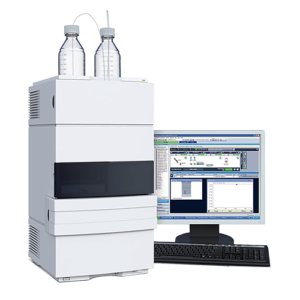
HPLC is especially valued for its high resolution, accuracy, reproducibility, and sensitivity, making it a cornerstone technique in quality control and research laboratories worldwide.
HPLC works by passing a liquid mobile phase through a column packed with a stationary phase under high pressure. A sample injected into the system interacts differently with the stationary phase depending on its chemical properties, resulting in separation as compounds elute at different retention times.
.
HPLC Chromatography remains an indispensable analytical technique due to its versatility, reliability, and performance. With continuous advancements in columns, detectors, and system design, HPLC continues to play a critical role in scientific research and industrial quality control.– Dr. Khaled Hassan
Types of HPLC Reversed-Phase HPLC (RP-HPLC) The most common type, using a non-polar stationary phase (e.g., C18) and a polar mobile phase. Normal-Phase HPLC (NP-HPLC) Uses a polar stationary phase and a non-polar mobile phase, suitable for specific separation needs. Ion-Exchange HPLC Separates compounds based on ionic interactions, widely used for proteins and inorganic ions. Size Exclusion Chromatography (SEC) Separates molecules based on molecular size, commonly used for polymers and biomolecules. Suggested Image 4: Comparison diagram of different HPLC separation modes.
