
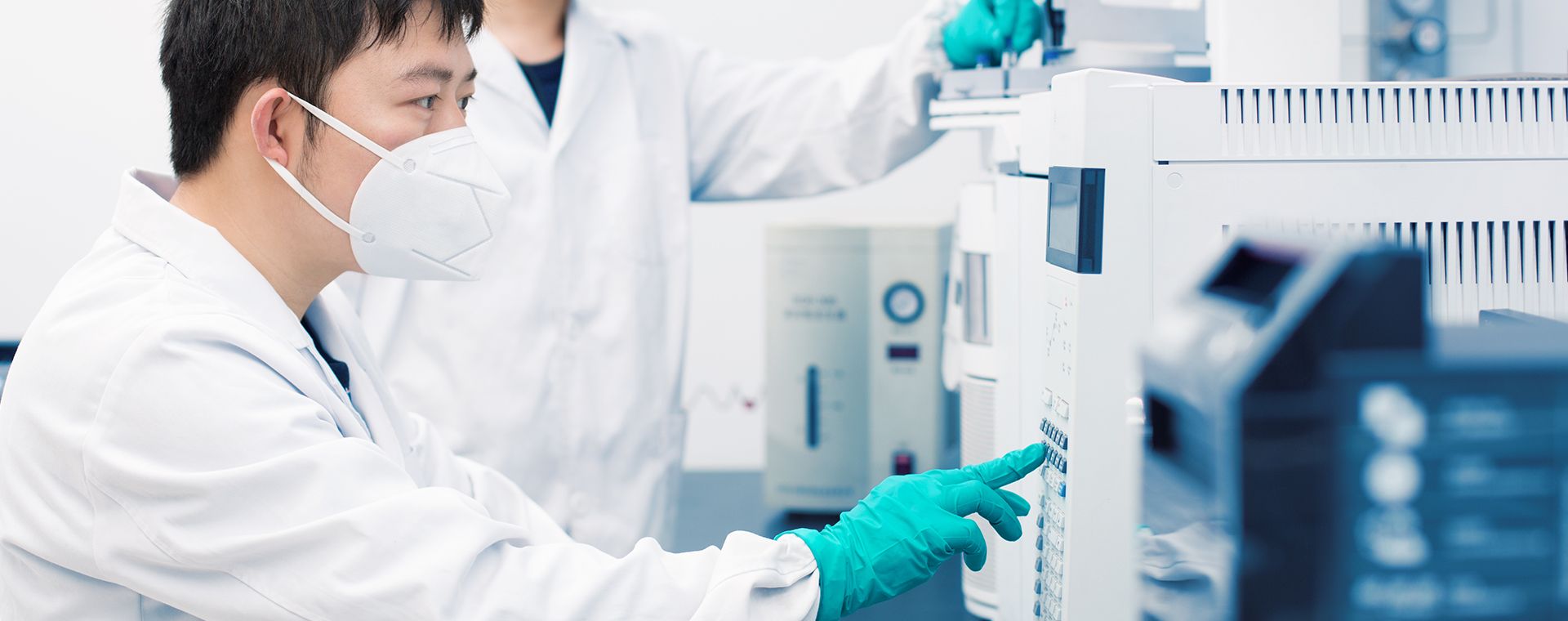
Laboratory instruments play a critical role in pharmaceutical manufacturing companies, supporting research, development, quality control, and regulatory compliance. Advanced laboratory equipment ensures that pharmaceutical products meet strict standards of quality, safety, efficacy, and consistency throughout their lifecycle.
From raw material testing to finished product release, laboratory instruments are essential tools in modern pharmaceutical environments.
Role of Laboratory Instruments in the Pharmaceutical Industry Pharmaceutical laboratories rely on a wide range of instruments to: Ensure compliance with GMP, USP, EP, and ICH guidelines Perform accurate chemical and microbiological analysis Support method development and validation Monitor product stability and shelf life Laboratory instruments are used across R&D laboratories, quality control (QC), quality assurance (QA), and production support labs.
2. Microbiological Laboratory Instruments Microbiology labs are essential for sterility testing, environmental monitoring, and microbial identification. Typical instruments include: Autoclaves Incubators Laminar airflow cabinets Colony counters Microbial identification systems.
Key Categories of Laboratory Instruments 1. Analytical Instruments These instruments are used for qualitative and quantitative analysis of active pharmaceutical ingredients (APIs), excipients, and finished dosage forms. Common analytical instruments include: HPLC and UHPLC systems Gas Chromatography (GC) systems UV-Visible Spectrophotometers FTIR and Raman Spectrometers Dissolution testers.– Dr. Khaled Hassan
3. Physical Testing Instruments These instruments evaluate the physical properties of pharmaceutical products to ensure uniformity and performance. Examples include: Hardness testers Friability testers Disintegration testers Particle size analyzers Viscometers.
